- LockedInCircuit's Newsletter
- Posts
- Syria's war: Who is fighting and why
Syria's war: Who is fighting and why

LockedInCircuit
September 12, 2024
In this email, we discuss:
The origins of the Syrian conflict.
The role of foreign powers and their conflicting interests.
The rise of extremist groups and ISIS.
Key turning points, including chemical weapons use and foreign interventions.
The current state of the Syrian civil war.
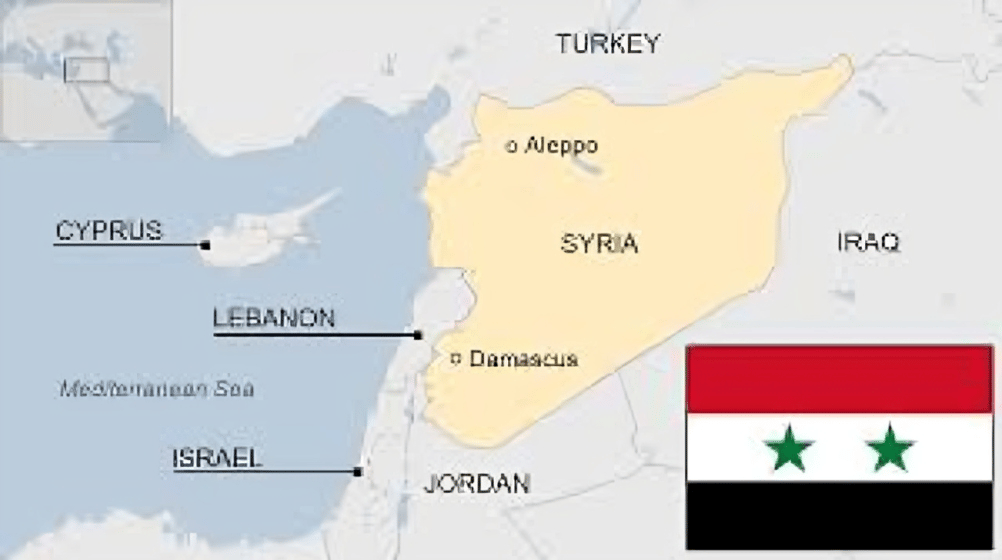
Syria's war is a complex and tragic conflict that has been raging for over six years. The conflict, originally sparked by peaceful Arab Spring demonstrations in March 2011, quickly escalated into a civil war when protesters began to fight back against the oppressive regime of Bashar al-Assad. The uprising was further complicated by the defection of some Syrian troops, who joined the rebels and formed the Free Syrian Army.
As the war progressed, extremists from around the region and the world flocked to Syria, leading Assad to intentionally release jihadist prisoners to discredit the rebellion. This strategy worked, as al-Qaeda established a new branch in Syria, and the conflict became increasingly muddied by the involvement of extremist groups.
Syria's civil war soon became a proxy war, with Iran backing Assad and the Gulf States supporting the rebels. By mid-2012, the conflict had drawn in regional powers and even global superpowers, with Russia supporting Assad and the US initially focusing on fighting ISIS.
Key turning points include Assad’s use of chemical weapons, which drew condemnation from the international community and led to direct US military action. The rise of ISIS further complicated the conflict, as the group fought both Assad and other rebel factions, creating a mini-state within Syria and Iraq.
Today, Syria remains in ruins, with Assad regaining some control but the rebellion far from over. The involvement of various foreign powers has made the situation even more complex, and with no clear end in sight, the suffering of the Syrian people continues.
Stay tuned for more insights and updates on global conflicts.
Locked in Circuit
Your source for understanding world conflicts.